
Amrita Hospital, Rewa Rd, Shahdol, M. P
amritahospital.shahdol@gmail.com
Book an Appointment
+91 7697822888
Book an Appointment
+91 7697822888

Book a Consultation

Consultation Form

Stones Hospital in Shahdol

Multispeciality Hospital in Shahdol | Top Hospital in Shahdol
At Amrita Hospital

What isStones?

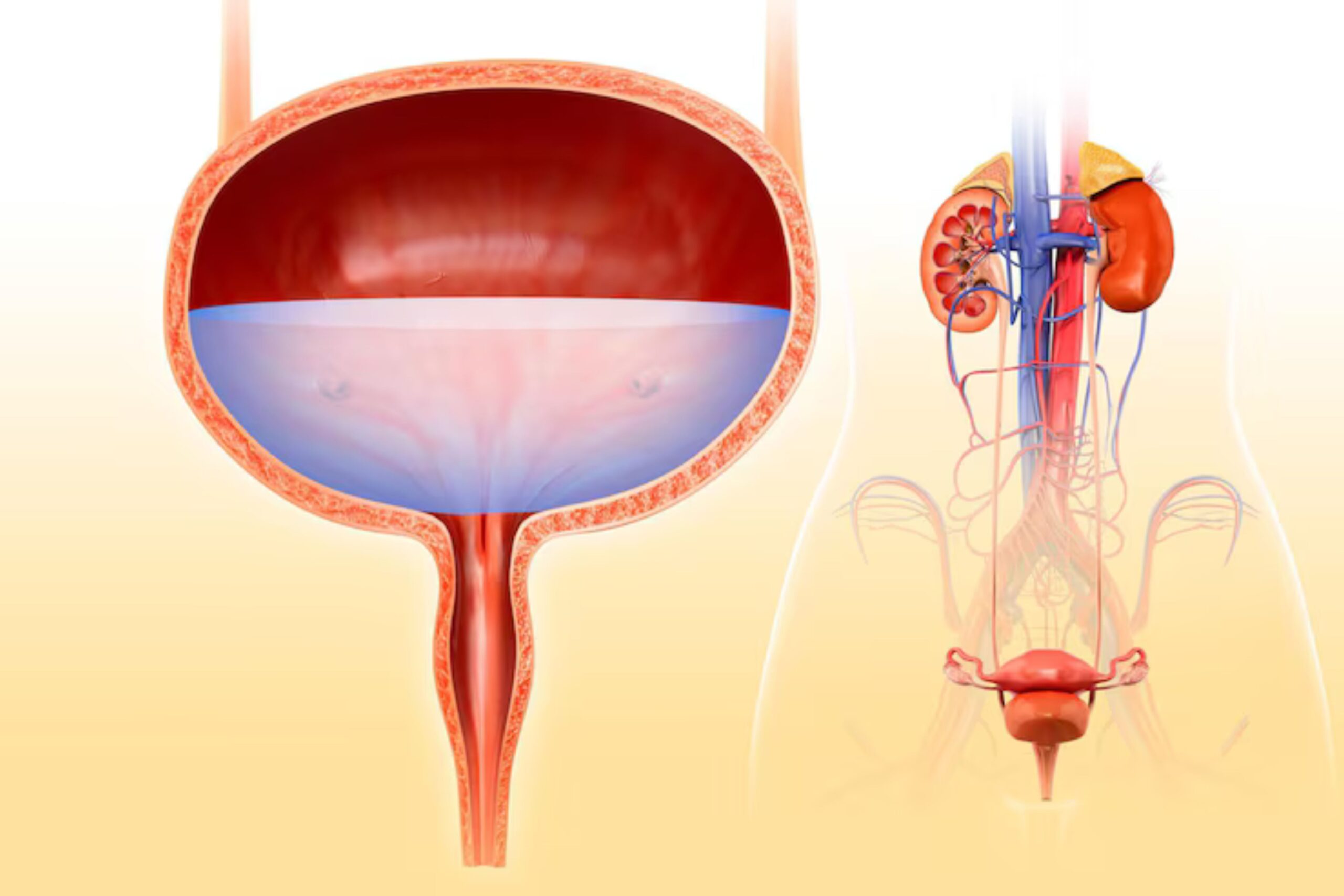
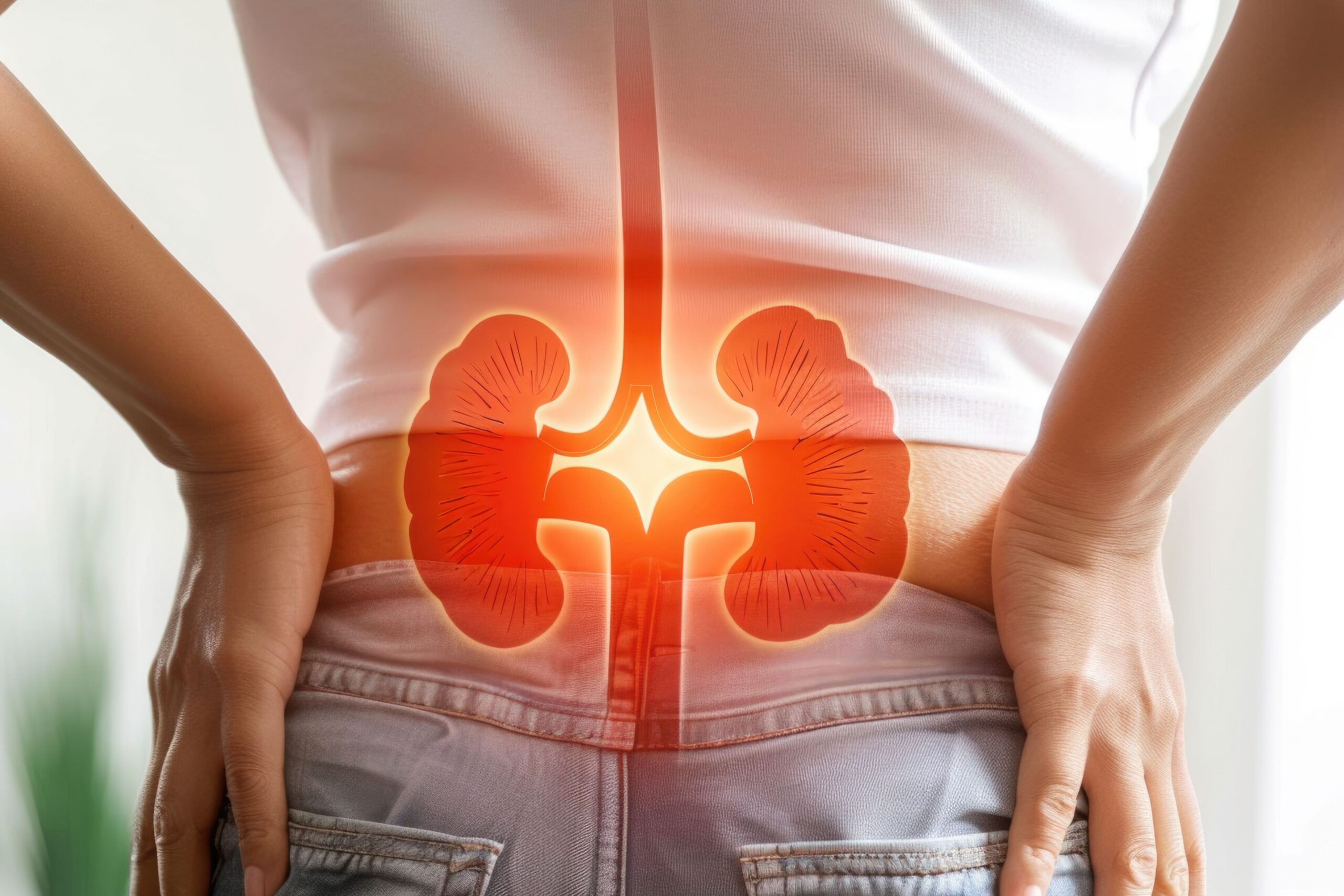
Stone disease, also known as urolithiasis or nephrolithiasis, refers to the formation of hard, crystalline mineral deposits in the urinary system, primarily in the kidneys, bladder, or urethra. This condition is often caused by factors such as dehydration, dietary choices, certain medical conditions, and genetic predisposition. Common symptoms include severe pain in the lower back or abdomen, blood in the urine, nausea, vomiting, frequent urination, and painful urination. Diagnosis typically involves imaging tests like CT scans or ultrasounds, urine analysis, and blood tests to identify contributing factors.

Treatment options range from increasing fluid intake and using medications to relieve pain and help pass the stones, to more invasive procedures like shock wave lithotripsy, ureteroscopy, and, in severe cases, surgery.

At Amrita Hospital, a leading healthcare institution known for its advanced medical care and state-of-the-art facilities, patients with stone disease receive comprehensive treatment and personalized care. The hospital employs a multidisciplinary approach, integrating the expertise of urologists, radiologists, and dietitians to ensure optimal management and prevention strategies. Preventive measures focus on staying well-hydrated, making dietary adjustments, and sometimes taking prescribed medications to reduce the risk of stone formation. With appropriate medical care and lifestyle changes, stone disease can be effectively managed.

Key Signs You Need to See a Stone Specialist

GOT A QUESTION

Frequently AskedQuestions

Multispeciality Hospital in Shahdol | Top Hospital in Shahdol
Stones form due to high mineral levels in urine or bile, often from dehydration or diet.
Common signs include severe pain, nausea, vomiting, and blood in urine.
Treatment includes medication, laser treatment, or minimally invasive surgery based on size and location.
Yes, with proper hydration, diet, and medical advice.
Not always. Small stones may pass naturally or be broken with non-surgical methods.